WebGPU Standard Officially Fully Enabled: The Era of 3D and Artificial Intelligence in Web Browsers
The World Web Standards Organization (W3C), along with a consortium of leading browser developers (including Google, Apple, Mozilla, and Microsoft), has officially announced the activation and full support of the next-generation graphics standard, WebGPU, across all desktop and mobile platforms. This move marks the end of the WebGL era, which has existed for over a decade, opening a completely new chapter for complex web applications.
The core difference of WebGPU is its ability to communicate directly with modern hardware graphics programming interfaces (GPUs) such as Vulkan (on Windows/Android), Metal (on the Apple ecosystem), and DirectX 12. This eliminates almost all intermediate layers that slow down performance, allowing websites to unleash the immense computing power from the user's device's graphics card (GPU).
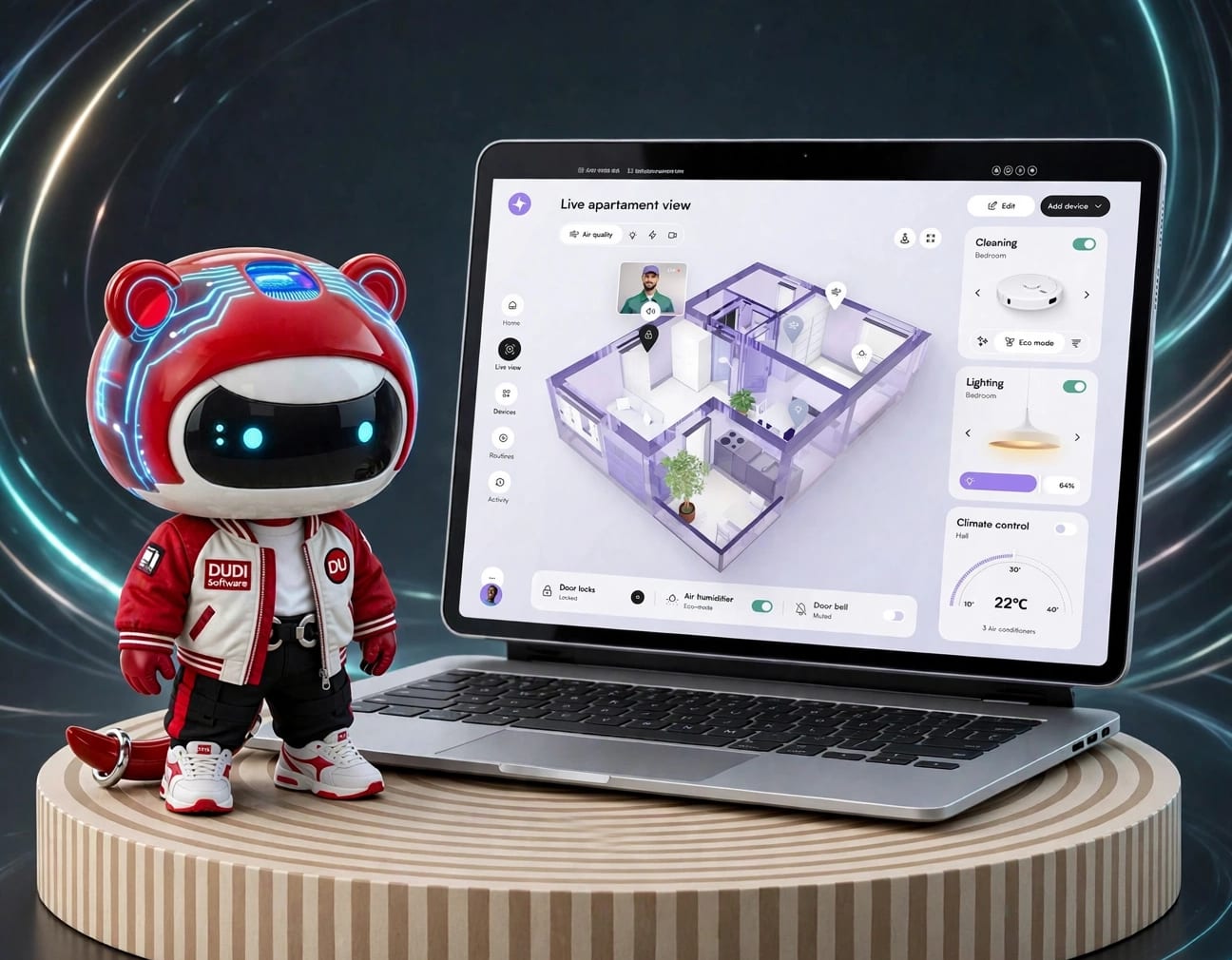
This event brought about two revolutionary impacts for the software industry: First, 3D visual experiences on websites will reach the same quality as professional graphics software. Real estate websites, e-commerce sites, or car product websites can display realistic shadow models and real-time lighting effects at a smooth 60fps frame rate without overheating or causing browser lag.
Secondly, WebGPUs provide the foundation for artificial intelligence (Machine Learning/AI) models to run directly on the user's computer (client-side AI) without sending data to cloud servers. Users can edit images using AI, translate text, or interact with language models directly from the website with zero latency, while ensuring absolute security of personal data.
The emergence of WebGPUs confirms that the lines between traditional installed applications and web-based applications are blurring, reshaping the entire future of digital experiences globally.