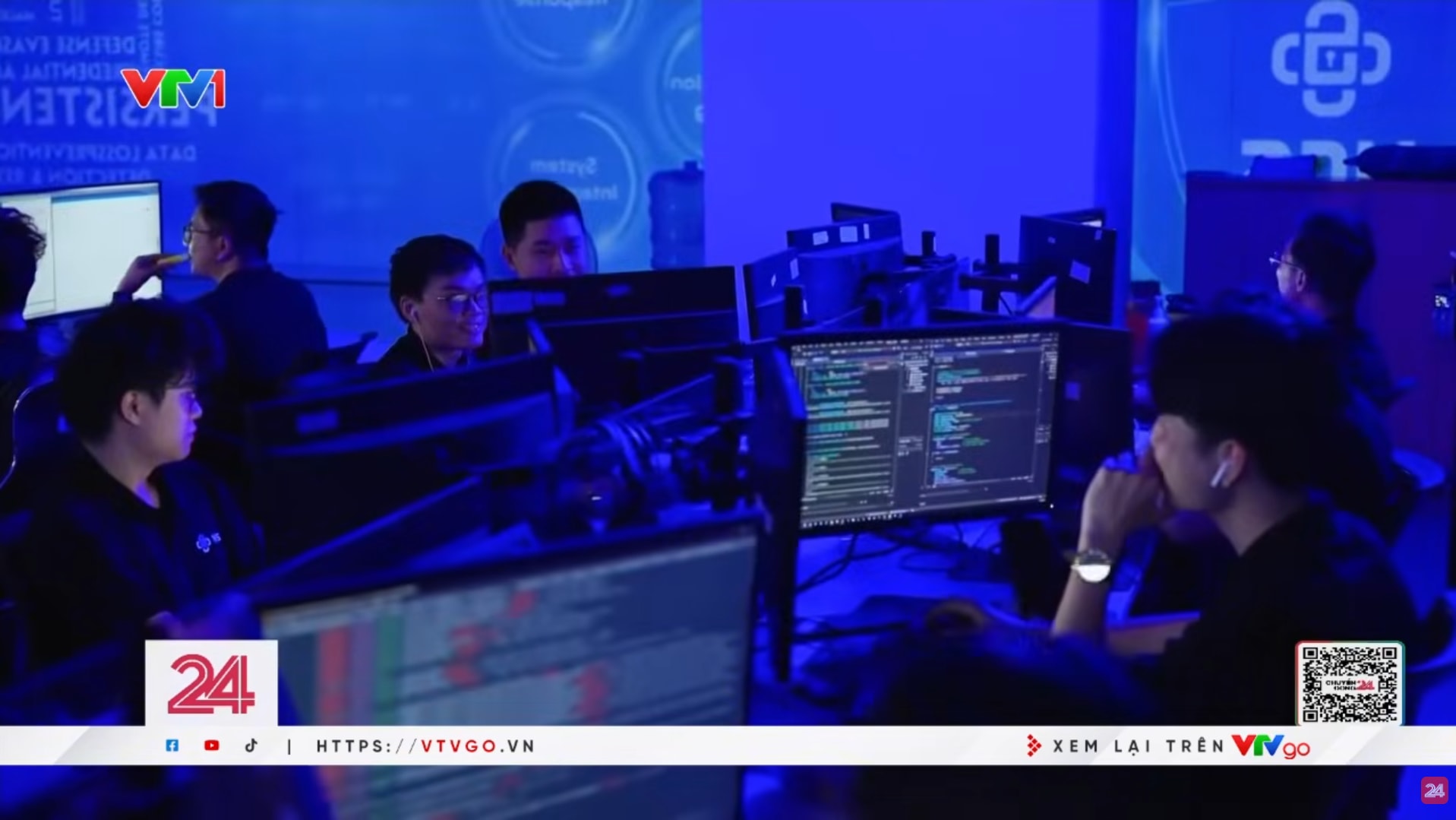
Technological Autonomy Ensuring Cyber Security: Foundation for Protecting National Digital Sovereignty
In the context of cyberspace becoming a "soft border," technological self-reliance in cybersecurity is no longer an option but a vital requirement to protect digital sovereignty and strengthen social trust. According to a report from VTV24, the legal framework is only a prerequisite; mastering core solutions developed by Vietnamese people themselves is the key to creating genuine defense capabilities.
The effectiveness of applying new technologies is clearly demonstrated in practice. For example, an artificial intelligence (AI) application system helped block over 2,000 phishing websites in just one month. Thanks to its ability to analyze the semantics of domain names, content, and malicious files, the AI model can identify and issue early warnings of spoofing even when that data has never existed in the system's database.
To promote this industry, the Cybersecurity Law and related regulations have provided guidance encouraging agencies and businesses to prioritize domestic cybersecurity solutions. This both incentivizes investment and creates a transparent and healthy playing field for domestic technology companies.
Mastering technology not only minimizes the risks of dependence on foreign platforms but also allows organizations to proactively control, respond to incidents, and secure data in a manner consistent with Vietnam's legal and infrastructure characteristics. According to the roadmap to 2030, domestically produced cybersecurity products and services are expected to account for more than 50% of the domestic market share.
Video source: Technological self-reliance ensures cybersecurity in the digital age | VTV24