PWA (Progressive Web App) Technology: Website Design Strategy to Surpass the App Store with Native Experience
The software industry is witnessing a clear psychological phenomenon called "App Fatigue". Every day, an average user is surrounded by dozens of invitations to download applications: To buy a cup of coffee, he must download the App, to schedule a haircut, he must download the App, to buy a shirt, he must also download the App. The harsh reality is that, with the exception of super apps (Facebook, TikTok, Banks), customers are extremely lazy and unwilling to sacrifice phone memory space and account creation time for a brand they only interact with a few times a month. For businesses, investing hundreds of millions of dong to program two Native application versions (iOS and Android) is not the biggest nightmare. Absolute dependence on the App Store and Google Play, accompanied by a strict review process and a huge commission "tax" of up to 30% for in-app purchases, is squeezing their profit margins. To break this monopoly, global technology giants have created a new generation website design standard called PWA (Progressive Web App - Progressive Web Application), opening up an era where websites possess the same power as an application downloaded from the store.
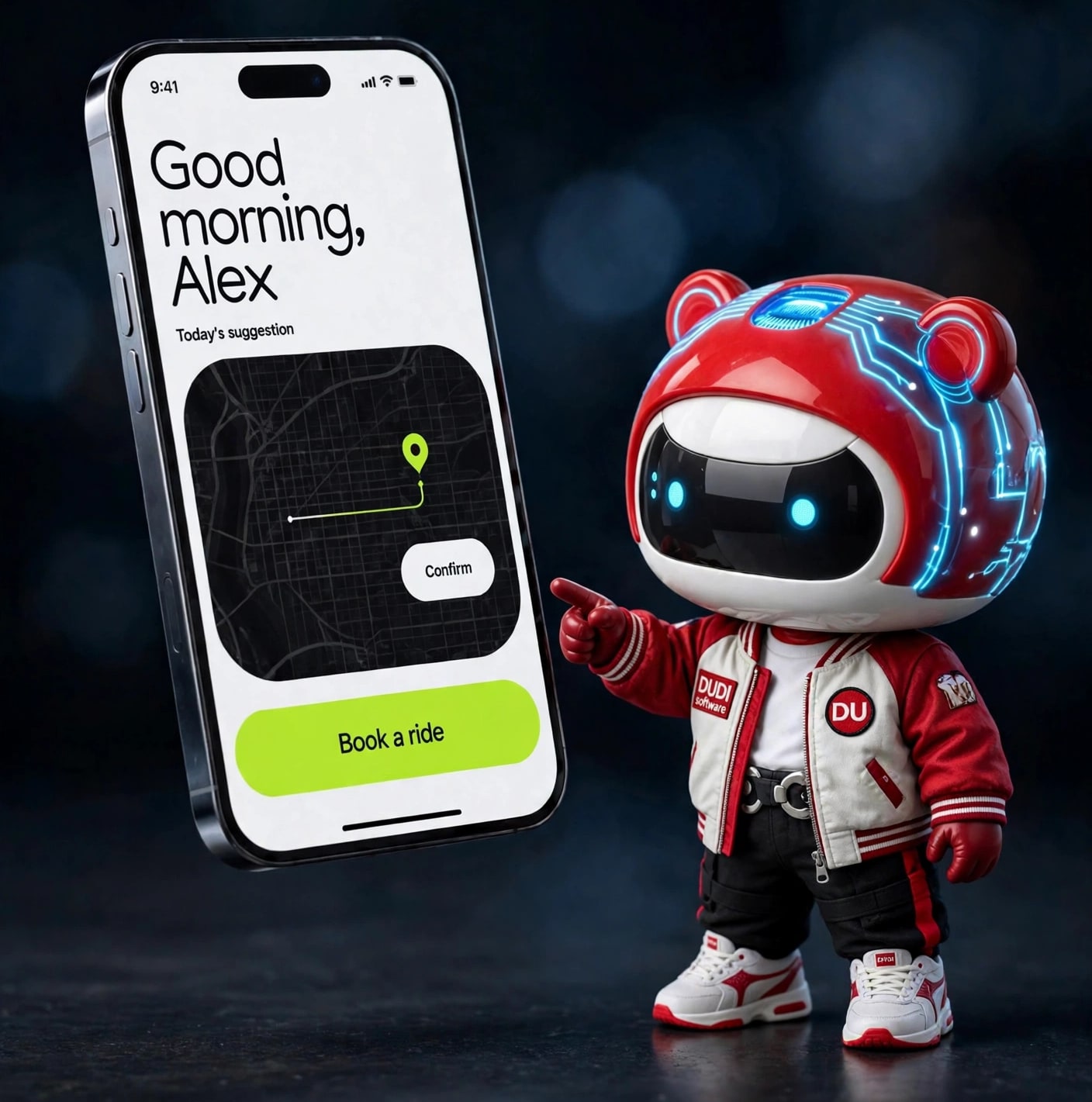
In essence, PWA is a perfect hybrid (Hybrid) between a standard website and a mobile application (Native App). It is built using common web development languages (HTML, CSS, JavaScript) but integrates the most modern Web API functions to interact directly with phone hardware. When users access a PWA-designed website (such as Twitter, Pinterest or Starbucks) on Safari or Chrome browser, they will immediately receive a small prompt: "Add to Home Screen". With just one touch, that website will immediately appear as a sharp icon on the phone screen, interspersed with applications downloaded from the App Store. When clicking this icon, the PWA will open in full-screen format, completely eliminating the browser address bar and cumbersome navigation bar. The swipe experience, smooth page transition speed, and animations are executed so well that 90% of regular users cannot realize they are surfing a website and not a real application.
The core technology that makes PWA's magic power is the underlying code files called Service Workers. In traditional website designs, when the phone loses Internet connection (gets into an elevator, takes a plane), the website immediately freezes with a dinosaur icon reporting a network failure. But with PWA, Service Worker acts as an intermediary Proxy layer between the browser and the network server. On the first visit, it silently downloads and caches the entire "framework" of the application (App Shell) including interface, fonts, logo and viewed content. Thanks to that, even when the phone is completely disconnected from the 3G/Wifi network, users can still open PWA, review the product catalog, read old articles, and even click to select items to put in the cart (Offline Mode). When the phone comes back online, the Service Worker will automatically synchronize the data stream (Background Sync), sending the order without the user having to re-operate. This is a great step forward in terms of User Experience (UX), helping businesses never lose customers just because of network connection errors.
Not stopping at offline features, PWA website design also solves one of the most difficult Marketing problems: Retaining and attracting users to return (Retention Rate) through Web Push Notifications. Previously, only Native Apps had the right to vibrate your phone to announce promotions. Now, with PWA, businesses can send Flash Sale notifications, abandoned cart reminders or personalized news directly to the customer's phone lock screen (works perfectly on the Android operating system and is newly supported by Apple on iOS 16.4+). The best thing is that, because it is still essentially a website, the content inside the PWA can be completely crawled and SEO ranked by Googlebot (Something that the content inside the App Store cannot do). Users just need to search for keywords on Google, click on the link and they are already in your App, completely bypassing the time-consuming barriers of searching, downloading the app, and installing.
In short, applying PWA technology to website design is not just an interesting technology trick, but an extremely smart cost-optimizing business strategy. Instead of having to maintain 3 separate programming teams (for Website, for iOS, for Android), businesses now only need to invest heavily in a single PWA Web design project. It can run perfectly on any operating system, any screen size, overcome all harsh censorship of application markets, returning full control of distribution channels and customer data to the hands of businesses. For e-commerce startups, electronic newspapers or internal management systems (ERP/CRM), PWA is no longer a choice of the future, it is a mandatory standard of today.