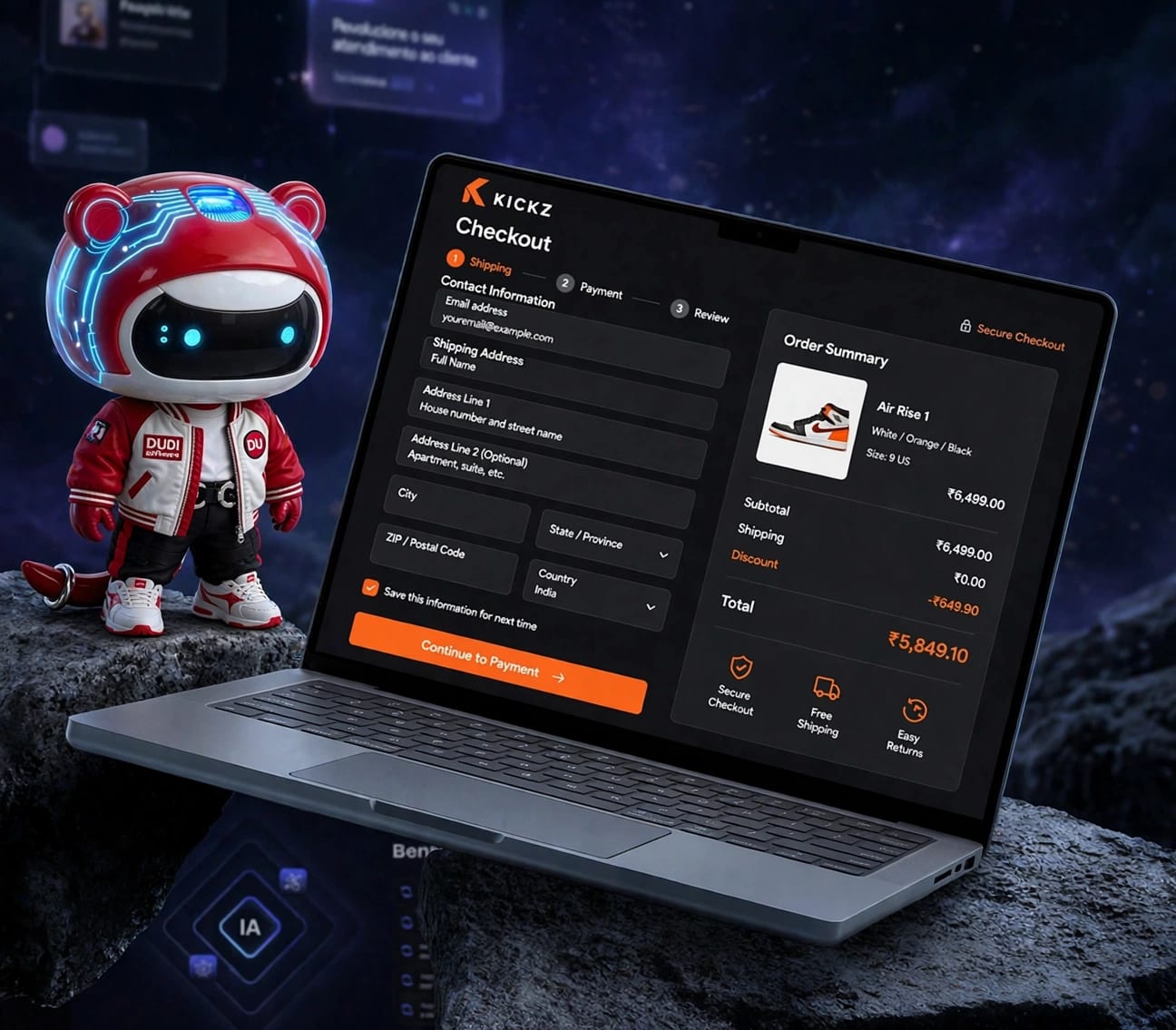
One-Page Checkout Optimization: A Breakthrough in Retail Website Design
According to e-commerce statistics, nearly 70% of customers add products to their shopping cart but ultimately leave without clicking the checkout button. The leading cause of this unfortunate revenue loss is not price or product quality, but rather a cumbersome checkout process. Forcing users to navigate through 4-5 separate pages—from logging in, entering their address, selecting a shipping carrier, and finally choosing a payment method—is a fatal mistake in retail website design .
To overcome this bottleneck, the trend in advanced e-commerce website design has shifted entirely to the One-Page Checkout model.
The essence of One-Page Checkout is to consolidate all necessary information fields into a single interface. Instead of constantly redirecting pages, customers can simultaneously see: the list of products in the cart, the shipping address input field, and the payment QR code. When users change the quantity of items or apply a discount code, the system uses asynchronous processing techniques to update the total amount immediately without reloading the entire page.
An optimized website design process for payment flow needs to focus on three crucial elements:
- Allow Guest Checkout: Never force customers to create an account and verify their email address for a purchase. Let them finalize their order as quickly as possible using their phone number.
- Smart Form Autofill: Includes suggestions for administrative addresses by ward/commune, and automatically detects card type or bank based on account number.
- Visual security signals: Place secure padlock icons, SSL certificates, and data security guarantees right next to the payment button to alleviate buyer concerns.
Investing in a streamlined website design process that prioritizes speed and convenience in the final stage is the most direct way for businesses to optimize advertising costs and increase net revenue.