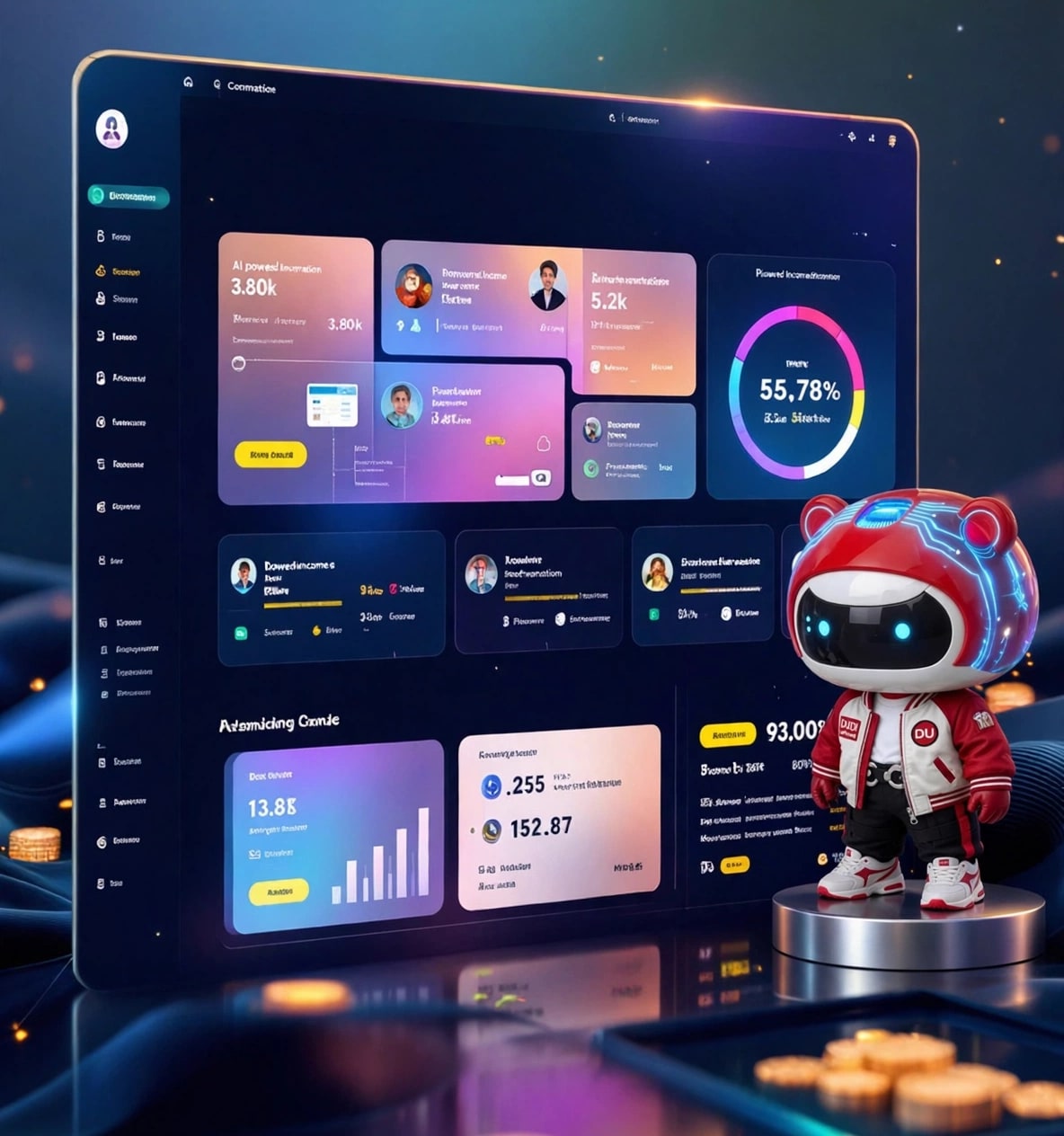
Adaptive Interface (Generative UI): When Artificial Intelligence Takes the Top in Website Design
Since the birth of the internet, the fundamental philosophy of the Frontend programming industry has always followed a rigid rule: Software engineers create a static framework (Static UI), and users interact with that framework. If you want to display a chart, the programmer must draw an area for the chart. If you need a form to fill out, that area must be hard-defined in the source code.
However, with the explosion of large language models (LLM) and generative artificial intelligence, the website design industry is facing a subversive revolution called: Generative UI.
1. Generative UI Concept Overthrows Old Limits Generative UI is not about using AI to draw a mockup on Figma and then giving it to the programmer to cut the code. Instead, it is a real-time interface creation. When users chat with the website, instead of returning a long piece of text like regular chatbots, artificial intelligence will automatically synthesize ReactJS or Next.js source code in a split second and immediately display a table, an interactive chart, or a visual shopping card right in the middle of the chat screen.
This breakthrough completely changes the life cycle of a website design project. You don't need to predict and pre-program every possible usage scenario. The system will automatically pair design "components" (UI Components) to serve exactly what the user is requesting at that moment.
2. Top Applications in B2B and SaaS Website Design The impact of Generative UI is most evident in building software-as-a-service (SaaS) platforms and complex B2B information portals:
- Data analysis dashboards (Dynamic Dashboards): In a financial management system, instead of providing 50 types of complex charts that confuse users, design experts website simply creates an AI search bar. When the financial director types: "Compare Q3 revenue of the 5 largest dealers", the platform will automatically draw a sharp bar chart right on the screen without having to turn the page.
- Conversational e-commerce experience (Conversational Commerce): Customers search for "Suggest me a graphics PC set under 20 million". Immediately, the website does not return a boring product list, but automatically generates a visual comparison table interface for 3 models, with a "Customize RAM" button right there for customers to close orders directly.
- Form automation (Smart Forms): Instead of forcing users to fill out a 10-page loan application form, Generative UI will automatically generate customized input boxes based on previous answers. that. If the customer selects "Single", all spouse input fields will never appear, helping to shorten the registration process.
3. The Management Problem of Design EngineersMany people worry that AI will take away the jobs of designers. But in fact, the role of the website design team has become more important than ever. At this time, they do not design each specific website, but switch to designing "Component Design Systems". They must ensure that no matter what charts, buttons, or tables the AI automatically calls up, all of those components, when assembled, still absolutely comply with the spacing, colors, and brand identity language of the business.
At DUDI Software, we are gradually integrating AI capabilities into the Frontend architecture. Mastering Generative UI technology not only helps shorten the time to develop new features, but also turns each customer's website visit into a deeply personalized experience unprecedented in the history of the web platform.