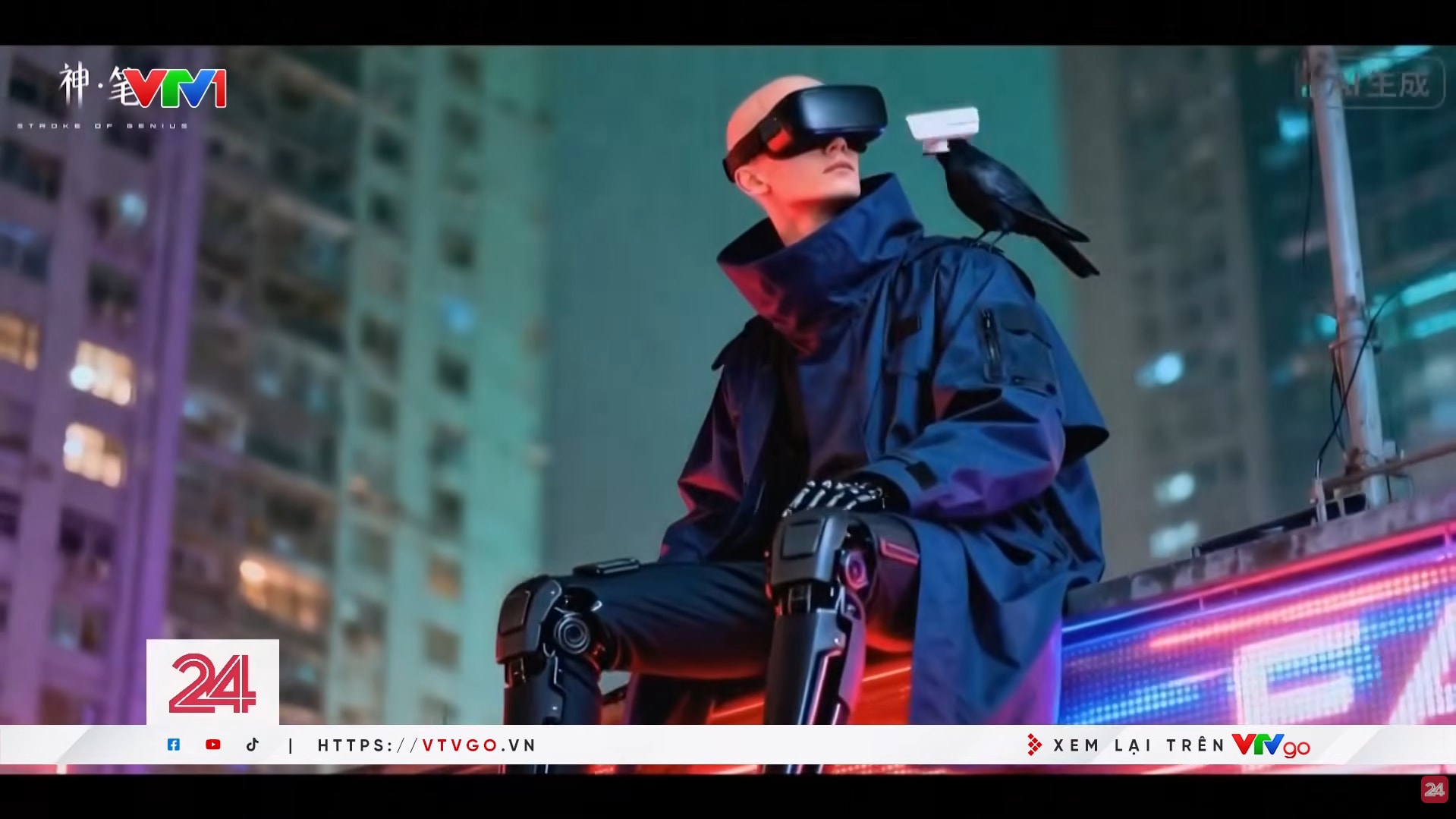
AI Short Film Revolution in China: Bottoming Costs, Challenging Oversupply
A large-scale revolution is underway on mobile phone screens in China, transforming fast-paced microdramas into a booming industry. The most notable aspect of this wave is the widespread involvement of artificial intelligence (AI) in every stage of production, completely altering the cost structure and filmmaking cycle.
Artificial intelligence can now handle almost the entire process, from scriptwriting and character development to setting up scenes, post-production, and voice-over. As a result, the production cycle for a short film, which used to take months, has been shortened to just a few days. Investment costs have also seen unprecedented drops, opening up filmmaking opportunities for countless young creators without the need for large crews or expensive equipment.
Recognizing the enormous potential of the digital content economy, many local governments and technology parks are launching a range of incentives such as reduced office rent, workspace support, and cloud computing capacity provision to attract AI filmmaking businesses to set up headquarters there.
However, this rapid production model also reveals many weaknesses. Low barriers to market entry lead to a massive oversupply, with a plethora of repetitive scenarios that bore audiences. In fact, the percentage of works that truly achieve great success is shrinking, causing profit margins for many production companies to fall short of expectations compared to the early stages.
Experts believe that long-term competitive advantage cannot rely solely on AI tools but also depends on the core value of the story and its emotional depth. The future focus of this industry will inevitably shift from mass production to developing high-quality content and building a solid intellectual property portfolio.
Source: AI is changing the game in the film industry in China | VTV24 - YouTube
Need a reliable technology partner for your business? See DUDI's corporate website design.